Dog Weight Loss Checklist: Simple Weekly Plan That Works
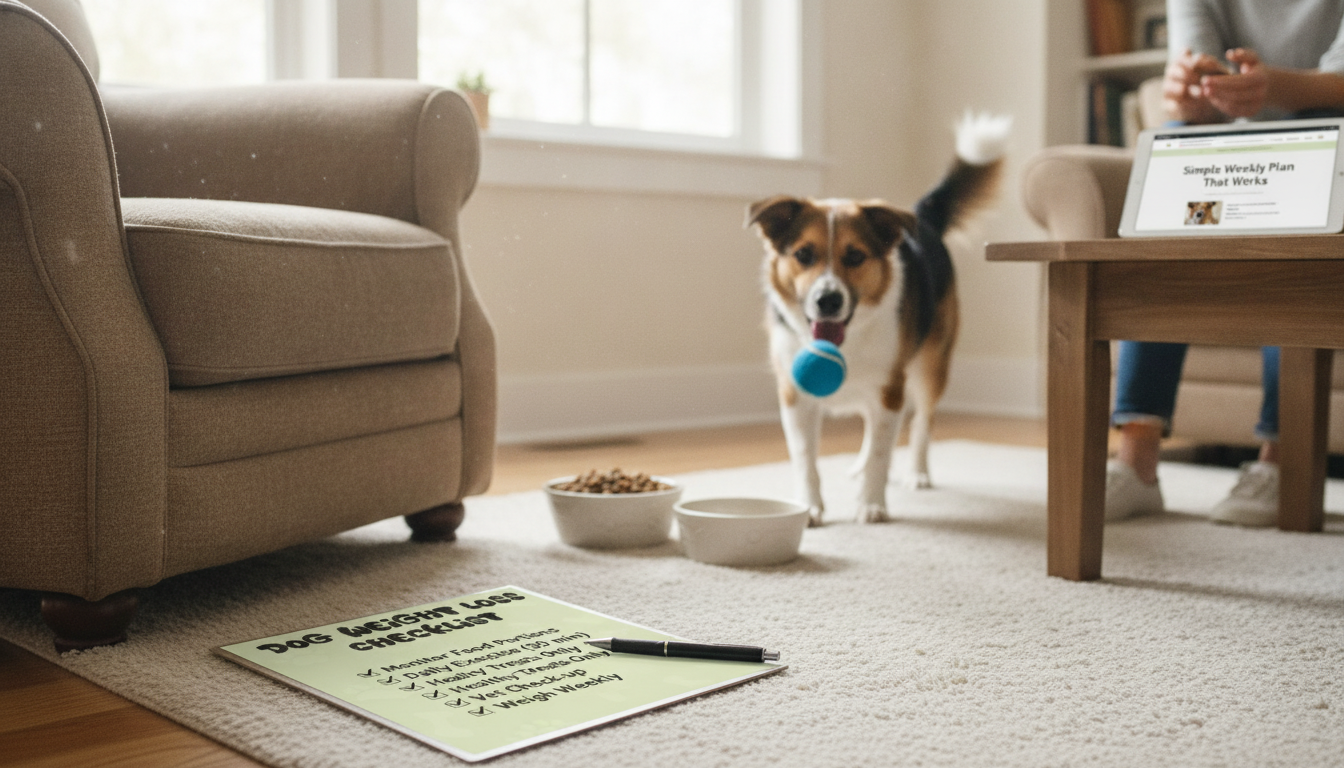
The “Fluffy to Fit” Dog Weight-Loss Checklist: A Step-by-Step Plan for a Healthier Pup
Extra weight can quietly strain a dog’s joints, heart, and energy levels. A simple checklist approach makes progress easier to track: confirm a healthy target with a vet, measure food accurately, adjust treats, add safe activity, and monitor results weekly. The goal is steady, sustainable change—not rapid loss.
Step 1: Confirm Your Dog’s Starting Point (and Rule Out Medical Causes)
If weight gain was sudden—or you’ve noticed lethargy, coughing, excessive thirst, or appetite changes—schedule a veterinary check before making big adjustments. Ask for a body condition score (BCS) and an ideal-weight estimate, since those become your baseline for tracking progress. This is also the time to discuss whether a prescription weight-loss diet, joint support, or pain management is appropriate, especially for seniors or dogs with arthritis.
Before you start, capture a few simple baseline notes: current weight, BCS, whether a waist is visible from above, how easily you can feel ribs, activity tolerance (how far your dog can walk comfortably), and a rough count of daily treats and “extras.” Clarify a safe rate of loss with your vet; slow, consistent change is easier to maintain and safer for most dogs.
Step 2: Set a Clear Goal and Timeline That’s Realistic
Define the goal in practical terms—such as “reduce BCS by 1 point” or “reach the vet-recommended weight range”—instead of chasing a single scale number. Choose a check-in rhythm you can actually stick to: weekly weigh-ins, photos every two weeks, and monthly vet updates for higher-risk dogs are common options.
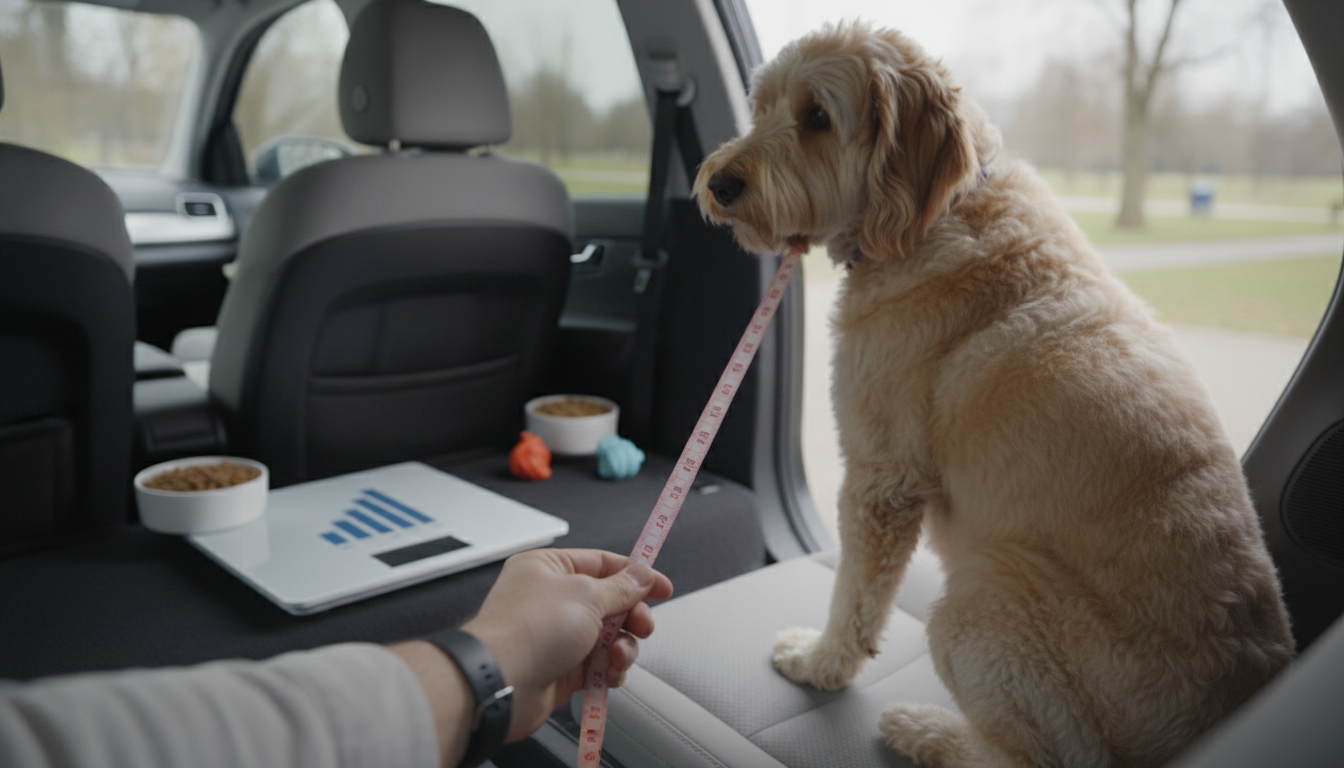
Plateaus happen, particularly as your dog gets closer to an ideal weight or when activity changes. Commit to one consistent tracking method (baby scale for small dogs, platform scale for larger dogs, or regular vet weigh-ins). Finally, make a household agreement: everyone follows the same feeding and treat rules, so progress doesn’t get undone by “just one more snack.”
Step 3: Rebuild Meals Around Measured Portions (Not Guesswork)
Portion creep is one of the most common reasons weight-loss plans stall. Measure every meal using a kitchen scale (best) or a standardized measuring cup (second best), and base calories on the food label plus your vet’s guidance—feeding charts often overestimate for less-active dogs.
Split the daily allotment into 2–3 meals to reduce begging and help your dog feel more satisfied. For some dogs, vet-approved low-calorie add-ins like green beans or cucumber can add volume without adding many calories. If you have multiple dogs, separate feeding areas to prevent food stealing and to keep your tracking accurate.
Daily Feeding Checklist (Quick Reference)
| Item to Track | Target | Notes |
|---|---|---|
| Kibble/food weight | Exact grams per day | Recalculate after 2 weeks if weight isn’t trending down |
| Meals per day | 2–3 | Helps reduce begging and energy dips |
| Treat budget | Small, pre-set amount | Count treats as calories, not “extras” |
| Water access | Always available | Avoid using thirst as a sign of progress |
| Food puzzles/slow feeders | Optional | Encourages slower eating and mental engagement |
Step 4: Fix Treats and “Hidden Calories” Without Feeling Strict
Weight gain rarely comes from meals alone. Count everything: dental chews, training treats, table scraps, lick mats, peanut butter, pill pockets, and “just a bite.” Instead of eliminating treats, make them intentional—swap to lower-calorie rewards such as tiny pieces of kibble, single-ingredient treats, or crunchy vegetables your dog tolerates.
Step 5: Add Safe Movement That Fits Your Dog’s Body and Mood
Step 6: Weekly Check-Ins (What to Measure and When to Adjust)
Common Setbacks and Easy Fixes
Printable Checklist Resource for Daily Consistency
For households with multiple people, assign one person to handle weekly weigh-ins and notes for consistency. A ready-to-use option is The “Fluffy to Fit” Dog Weight-Loss Checklist: A Step-by-Step Guide to Help Your Pup Shed Pounds with Ease.
Helpful Products to Support Consistent Habits
Daily tracking made simple: Use The “Fluffy to Fit” Dog Weight-Loss Checklist to keep meals, treat totals, and weigh-ins organized in one place.
Create a defined feeding zone: A stable, designated spot can reduce “drive-by feeding” and help multi-person households stay consistent. Consider setting up a specific station with something like the Plush Geometric Area Rug placed near (not under) bowls to visually reinforce the routine and keep the area consistent.
What the Experts Say About Pet Obesity
For deeper background on why healthy weight matters and how common pet obesity is, review guidance from the American Veterinary Medical Association (AVMA) and resources from the Association for Pet Obesity Prevention (APOP).
FAQ
How fast should a dog lose weight safely?
Most dogs do best with gradual, steady loss guided by a veterinarian, especially small dogs, seniors, or dogs with health conditions. Rapid weight loss can be risky, so consistency with measured portions and treat limits matters more than speed.
Should treats be eliminated during a dog weight-loss plan?
Treats don’t have to disappear—they just need to be planned and measured as part of daily intake. Use tiny portions, choose lower-calorie options, and pre-portion a daily “treat budget” so treats stay predictable.
What if weight isn’t changing after a few weeks?
First, double-check measuring accuracy (grams are more reliable than cups) and look for hidden calories like chews, table scraps, and lick mats. If consistency is solid, adjust one variable at a time and consider a vet recheck to rule out medical factors.









Leave a comment