3D Printed Saddles: Better Comfort or Just Hype?

Is a 3D printed saddle better?
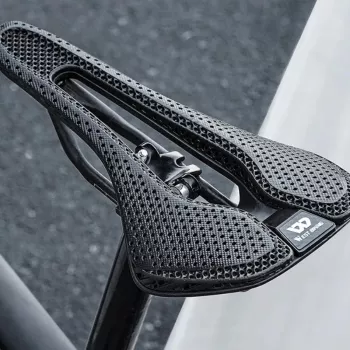
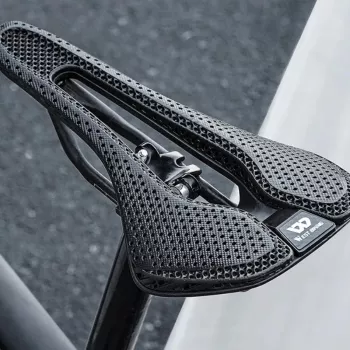
A 3D printed saddle can be better, but only when its strengths match how and where you ride. The biggest advantage is comfort tuning: the lattice “printed” padding can vary in firmness across the saddle, so pressure-heavy zones (often sit bones and soft tissue areas) can be supported differently than a one-foam-density design. Many riders also notice improved breathability because the open structure lets heat and sweat escape more easily.
That said, “better” isn’t automatic. Fit still rules everything. If the saddle shape, width, and rail position don’t match your anatomy and bike setup, a 3D printed top won’t fix numbness or hot spots. Price is another trade-off—3D printed models typically cost more than traditional saddles, so the upgrade makes the most sense for riders chasing long-ride comfort, pressure relief, or a very dialed feel.
When a 3D printed saddle is worth it
Consider a 3D printed saddle if you ride longer distances, struggle with pressure points, or want a more stable feel without the “mushy” rebound some foam saddles develop. They can also work well for performance-focused riders who want consistent support during hard efforts, since the lattice can reduce unwanted squirming.
When a traditional saddle may be the better buy
If your current saddle already fits well, a quality conventional saddle may deliver nearly the same results for less money. Riders who prioritize simplicity, easy cleaning, and proven long-term durability may also prefer standard foam/gel designs—especially for commuting and mixed-weather use.
For a deeper look at ultralight options, fit tips, and comfort considerations, see the full guide here: Ultralight 3D Printed Carbon Bike Saddle Fit & Comfort Guide.
FAQ
How do I choose the right saddle width?
Start with sit-bone spacing, then choose a saddle that supports your sit bones without forcing pressure into soft tissue. If you’re between sizes, your riding position (upright vs. aggressive) often determines whether a slightly wider or narrower option feels better.







Leave a comment