3D Printed Bike Saddles: Worth the Cost for Comfort?
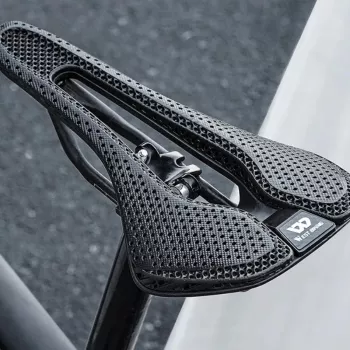
Are 3D printed bike saddles worth it?
3D printed bike saddles can be worth it when comfort and fit are the top priorities, especially for riders who log long hours or struggle with pressure points on traditional foam. The printed lattice is designed to flex and support different zones of your sit bones, often improving pressure distribution and reducing numbness. Many riders also notice better vibration damping on rough pavement or gravel compared with a firm, minimal foam saddle.
That said, “worth it” depends on how well the saddle matches your anatomy and riding position. A premium 3D printed saddle that’s the wrong width or shape won’t outperform a correctly sized conventional saddle. They’re also usually more expensive, and the gains can feel subtle for casual riders who already get along fine with a standard model.
When a 3D printed saddle is most likely to pay off
These saddles tend to shine for endurance road and gravel riding, indoor training blocks, and anyone chasing a lighter setup without going brutally rigid. Riders who alternate between aggressive and moderate positions may also like how the lattice “gives” as pressure shifts, rather than creating a single hot spot.
Trade-offs to consider before buying
Cost is the obvious hurdle. Durability and maintenance matter too: open lattices can collect sweat, grit, and road spray, so cleaning takes a bit more attention than wiping down a smooth cover. Some designs also feel “springy” at first, and it can take a few rides to decide whether that sensation is supportive or distracting.
How to choose one wisely
Start with the basics: correct saddle width, the right profile (flat vs. waved), and a pressure-relief channel that matches your needs. If you’re considering ultralight options, it’s worth comparing rail materials and weight limits. For a deeper fit-and-comfort breakdown, see the full guide here: https://rarebargainsnest.shop/guide-ultralight-3d-printed-carbon-bike-saddle-fit-comfort/.
FAQ
How do I pick the right saddle width for my sit bones?
Measure your sit-bone spacing (many bike shops can help) and choose a saddle whose rear platform supports those points without forcing you onto soft tissue. If you’re between sizes, the more upright your position, the more width you typically need.








Leave a comment