Stop Dog Itching Naturally at Home: Safe Relief Tips

What can I give my dog to stop itching naturally at home?
If your dog is itching but otherwise acting normal, a few gentle, natural options can help calm skin while you figure out the trigger. Start with the safest “do no harm” steps: rinse off allergens, soothe the skin barrier, and reduce inflammation without adding harsh fragrances or essential oils.
1) Cool rinse or oatmeal bath
A lukewarm-to-cool rinse can wash away pollen, grass, and dust that cling to the coat. For wider itchiness, use a colloidal oatmeal dog shampoo or a plain colloidal oatmeal soak (finely ground oats in warm water), then rinse well and towel-dry thoroughly. Avoid hot water, which can worsen itching.
2) A simple, fragrance-free moisturizer
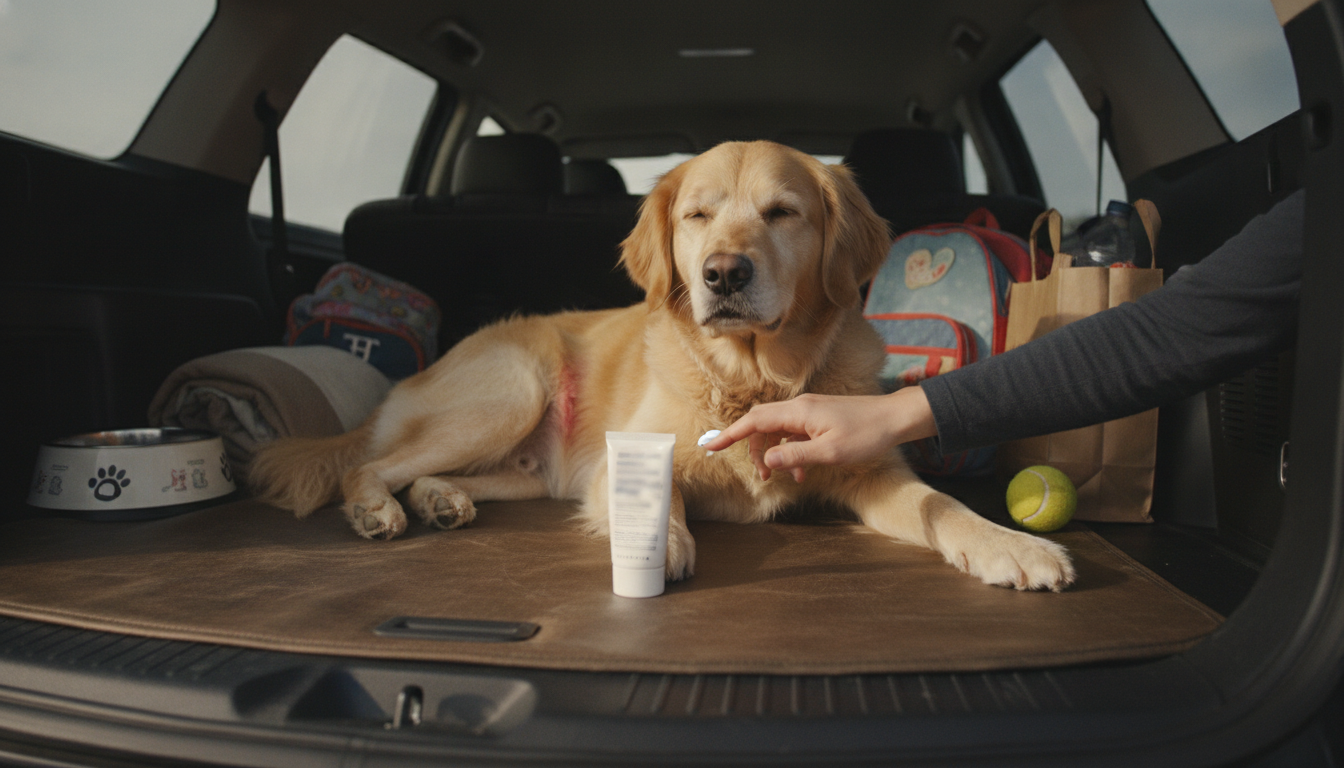
Dry skin can feel intensely itchy. A thin layer of pet-safe, fragrance-free moisturizer on small areas (not over open wounds) may help. If your dog licks topical products, use an e-collar or apply only where licking is unlikely.
3) Omega-3s (fish oil) for skin support
Omega-3 fatty acids can support the skin barrier and reduce itch over time. Choose a dog-specific fish oil and follow the label dosing by weight. Introduce slowly to avoid stomach upset, and stop if diarrhea or vomiting occurs.
4) Paw and belly wipe-down after outdoor time
For dogs triggered by seasonal allergens, wiping paws, legs, and belly with a damp cloth after walks can reduce itch flare-ups. Keep wipes unscented and alcohol-free.
When home care isn’t enough
If itching is intense, constant, or paired with hair loss, scabs, redness, a “corn chip” smell, ear scratching, head shaking, or skin that looks moist/oozy, your dog may have parasites, a bacterial/yeast infection, or allergies that need targeted treatment. For a deeper look at common causes and practical relief steps, visit this guide on why dogs get itchy and when to see a vet.
FAQ
What are signs my dog’s itching is caused by fleas?
Common clues include intense scratching near the tail base, small black “flea dirt” specks on the skin, and sudden itchiness that doesn’t improve with bathing. A fine-tooth flea comb over a white towel can help you spot fleas or flea dirt.











Leave a comment