Best Ergonomic Office Chair for Lower Back Pain: What to Look For
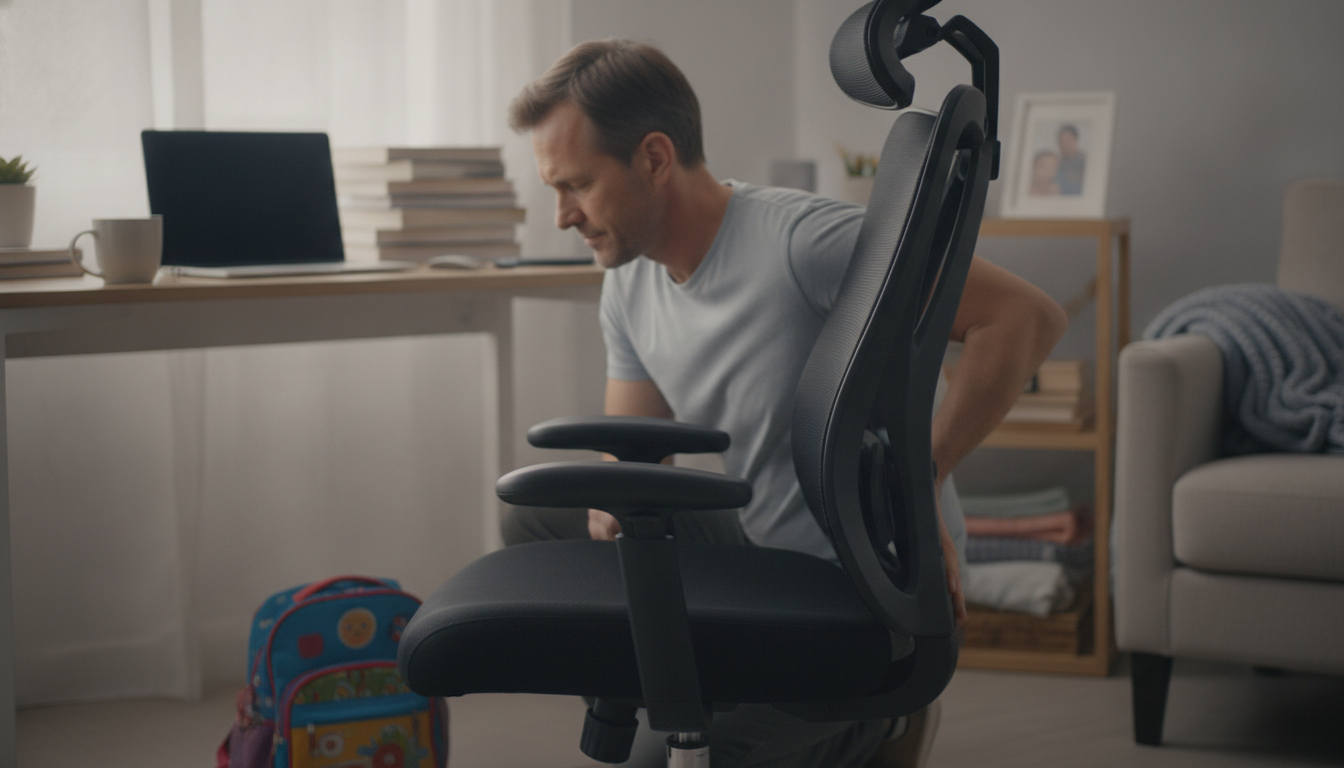
What is the best ergonomic office chair for lower back pain?
The best ergonomic office chair for lower back pain is one that keeps your spine neutral while supporting the natural curve of your lower back all day—without forcing you into one rigid posture. Look for adjustable lumbar support (height and depth if possible), a breathable back that encourages upright sitting, seat height and depth adjustments, and armrests that let your shoulders relax instead of hunching.
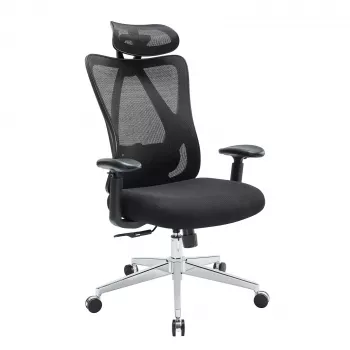
A strong option for many home and office setups is a mesh ergonomic chair with a dedicated lumbar zone, supportive headrest, and adjustable arms. Mesh backs tend to distribute pressure evenly and reduce heat buildup, which makes it easier to stay comfortably aligned for longer sessions. The key is adjustability: the chair should fit you, not the other way around.
What features matter most for lower back relief?
Start with lumbar support that lands directly in the small of your back and can be tuned to your posture. Next, prioritize seat depth (so you can sit back without the front edge pressing behind your knees) and a recline with tension control to let you alternate between upright work and supported leaning. Finally, armrests should adjust to keep elbows near your sides, reducing strain that can cascade into the lower back.
How to set up the chair so it actually helps
Set seat height so feet are flat and knees are about level with hips. Slide back until your lower back makes full contact with the lumbar support, then adjust lumbar height to match your curve. Keep your pelvis neutral (not tucked under), and use a slight recline for long stretches to reduce spinal loading.
For a deeper breakdown of what to look for in a mesh ergonomic chair—especially lumbar support, headrest fit, and 2D arm adjustments—see the full guide here: mesh ergonomic office chair with lumbar support, headrest, and 2D arms.
FAQ
Is a mesh chair better than a cushion chair for back pain?
Mesh can be better for many people because it stays cooler and provides even support, which helps you maintain posture longer. A well-designed cushion chair can also work, but it should still have adjustable lumbar support and proper seat depth.









Leave a comment