Safe Human Creams for Dogs With Itchy Skin
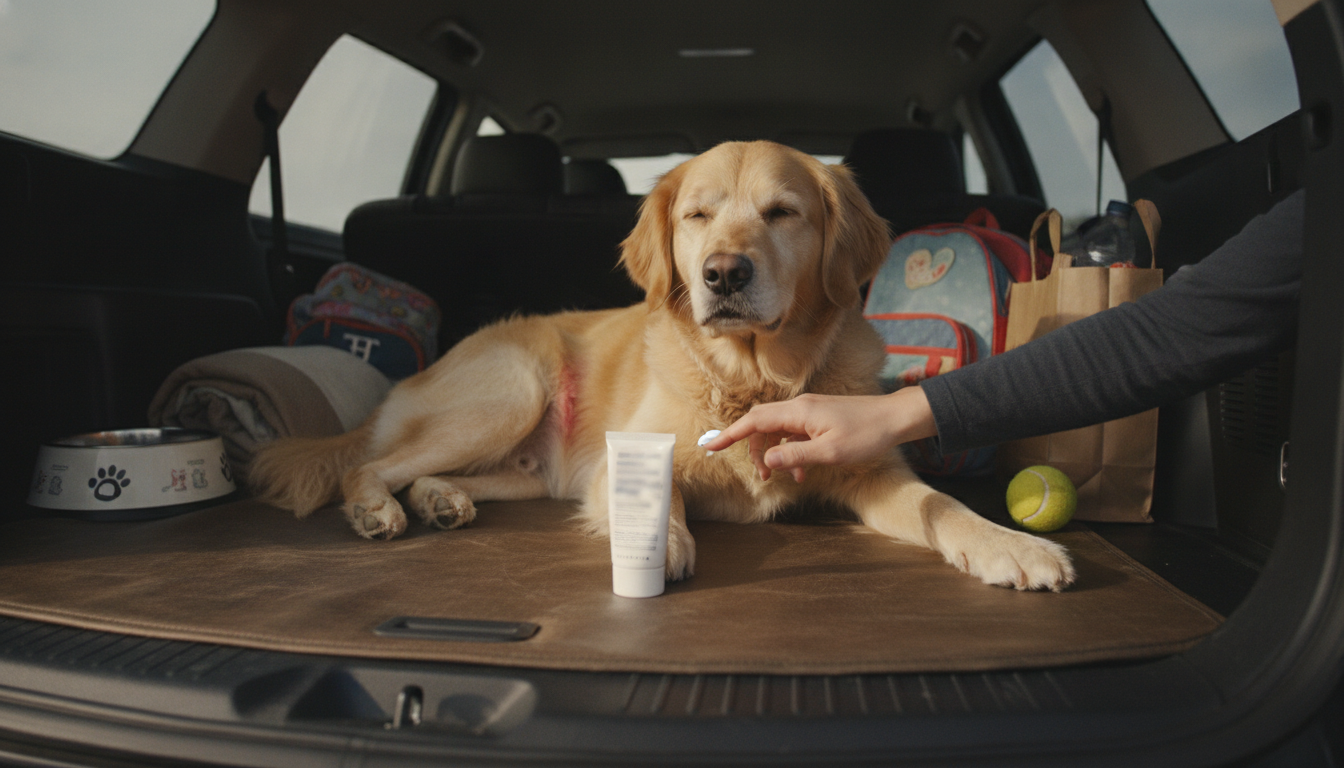
What human cream can you put on a dog for itchy skin?
Most “human” itch creams aren’t a great match for dogs because dogs lick their skin, and many ingredients that are fine on people can upset a dog’s stomach or be dangerous if swallowed. If you’re trying to help your dog feel better fast, the safest approach is to use only very simple, fragrance-free products in tiny amounts and stop your dog from licking the area.
Safer human options (short-term, small areas)
Plain petroleum jelly (100% petrolatum) can act as a protective barrier for dry, irritated spots. Apply a very thin layer and use an e-collar or closely supervise to prevent licking.
100% aloe vera gel (no alcohol, no fragrance, no added pain relievers) may soothe mild irritation. Choose a pure product and apply lightly; discontinue if redness increases.
Plain, unrefined coconut oil can help moisturize dry skin and may reduce flaking. Use sparingly—too much can make the coat greasy and encourages licking.
Human creams to avoid on dogs
Avoid creams containing zinc oxide (common in diaper rash cream), lidocaine/benzocaine (numbing agents), salicylic acid, tea tree oil, strong fragrances, or multiple “active” ingredients. These can irritate skin further or cause toxicity if ingested.
What to do if itching keeps coming back
Itching is often driven by allergies, fleas, skin infections, or dry skin that needs a targeted plan. For a deeper look at common causes and practical relief steps, see this guide: Why is my dog so itchy? Causes, relief & when to see a vet.
If your dog has open sores, odor, oozing, hair loss, intense redness, ear scratching, or nonstop licking, skip home creams and contact a veterinarian—those signs can point to infection or parasites that need proper treatment.
FAQ
When should I take my dog to the vet for itching?
Go if itching is severe or lasts more than a few days, or if you see open wounds, swelling, pus, a strong odor, hair loss, or your dog seems painful. Immediate care is also wise if your dog may have ingested a medicated cream.












Leave a comment