Self-Cleaning Pet Brush Guide: Fast Deshedding at Home
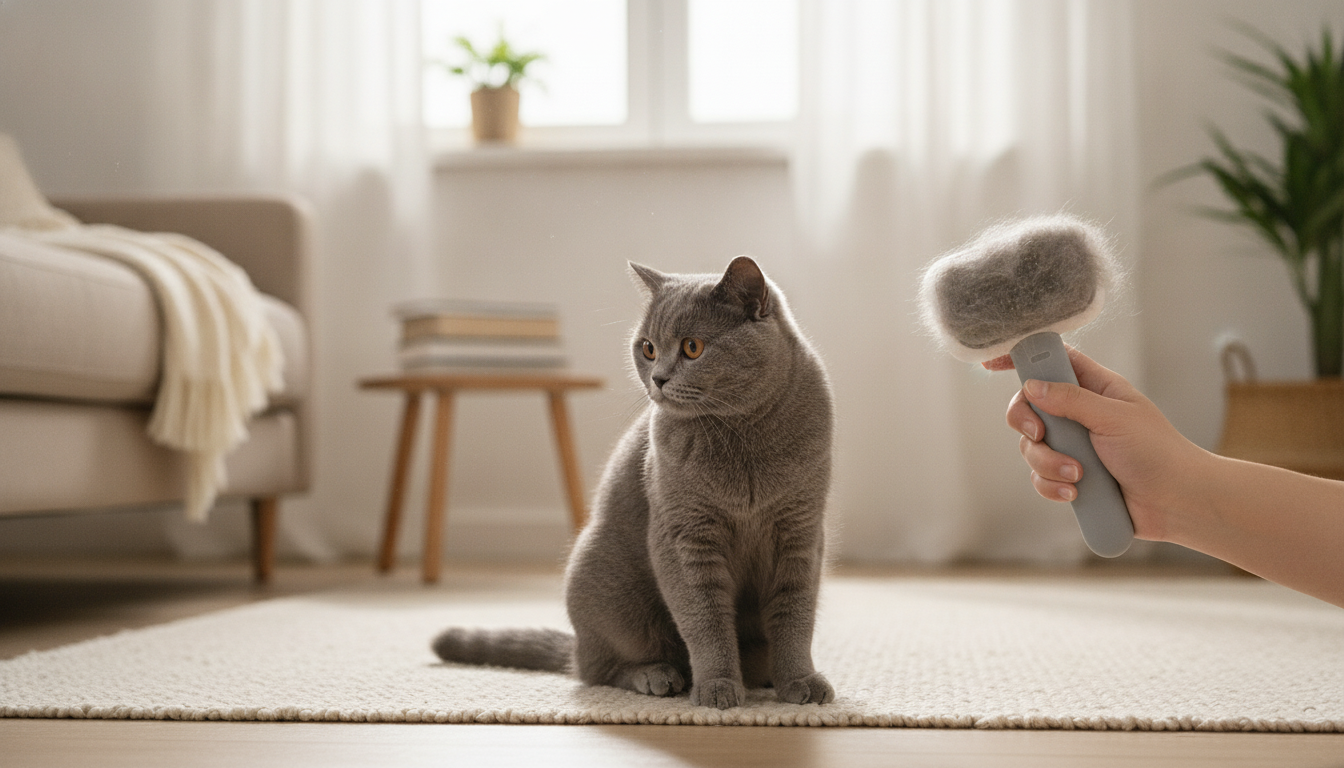
Self-Cleaning Pet Brush: Easier Deshedding, Less Mess
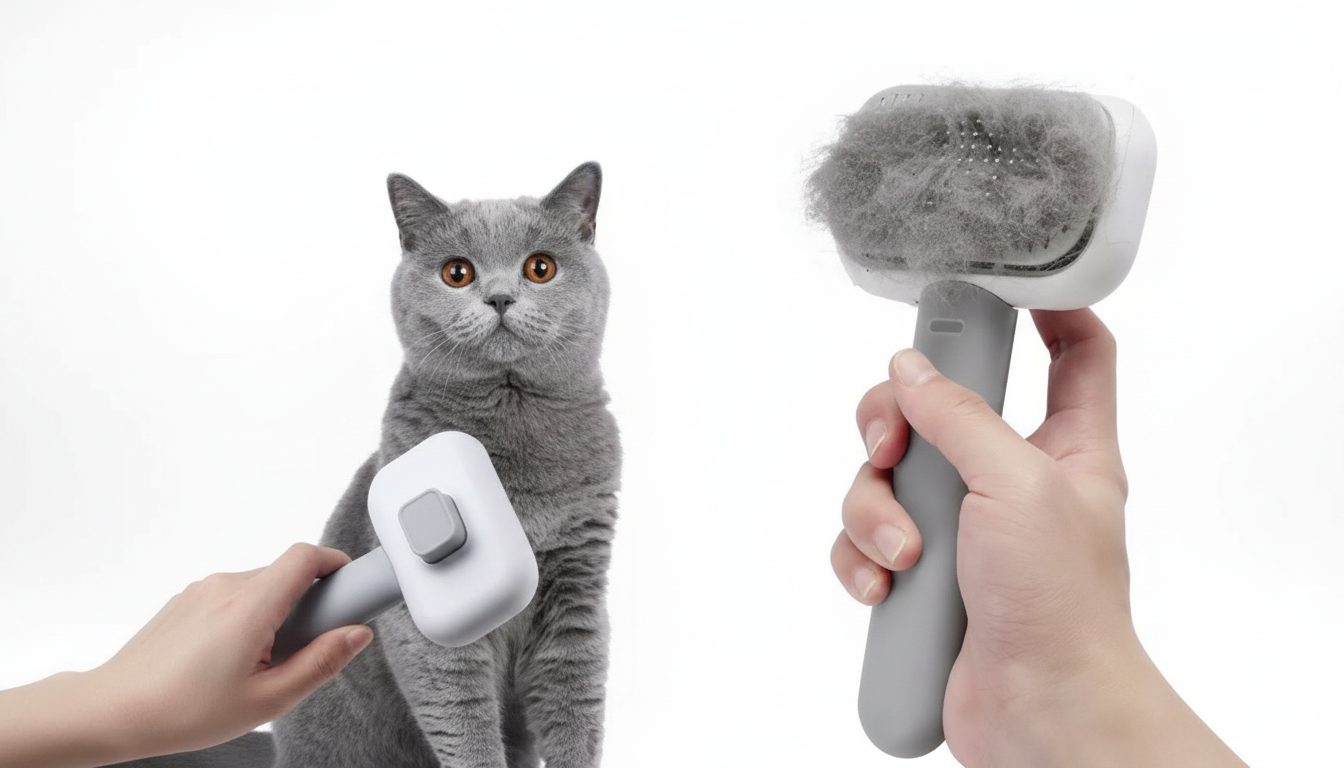
Regular brushing helps reduce shedding, mats, and dander—but cleanup and tugging can turn grooming into a chore. A self-cleaning pet brush is designed to collect loose hair efficiently and release it with a quick push, making at-home grooming faster, tidier, and more comfortable for many pets when used correctly.
What a Self-Cleaning Pet Brush Does (and What It Doesn’t)
A self-cleaning brush is built for everyday coat maintenance: lifting loose fur, catching light debris, and helping you stay ahead of seasonal shedding without turning your home into a fur zone.
- Uses fine pins/bristles to lift loose fur, small tangles, and debris from the coat surface.
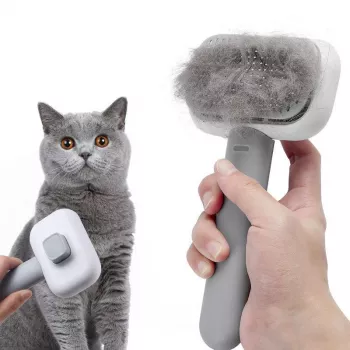
- A push-button or slide mechanism retracts the pins so collected hair peels off in one clump.
- Helps manage everyday shedding between baths and professional grooming visits.
- Does not replace detangling tools for heavy mats; severe matting may require a groomer to avoid skin injury.
For general brushing guidance and coat care basics, the American Kennel Club’s grooming resources are a helpful reference point, especially when you’re adjusting your routine for breed and coat type.
Why Cleanup Gets Easier
The biggest day-to-day win is what happens after the brushing: instead of hair winding around pins, it releases quickly so you can keep the session moving (and keep your hands cleaner).
- Hair releases in a compact bundle instead of staying wrapped around bristles.
- Less time spent picking hair out, especially on long coats or double coats.
- Encourages more frequent, shorter sessions that many pets tolerate better.
- Helps keep grooming areas cleaner—useful for apartments, small bathrooms, and multi-pet homes.
If you brush in a consistent spot, placing a washable throw or an easy-to-vacuum rug underfoot can make cleanup even simpler. A soft option like the Plush Geometric Area Rug can help define a “grooming zone” and keep loose hair from spreading room to room.
Comfort and Safety Features to Look For
Not all brushes feel the same to a pet. Comfort features matter because a brush that’s easy on the skin is more likely to be accepted—and more likely to be used consistently.
- Rounded pin tips to reduce scratching and irritation, especially on short coats and sensitive skin.
- A handle shape that supports a relaxed grip to reduce wrist fatigue during longer sessions.
- A sturdy button mechanism that doesn’t jam when the brush is full.
- Easy rinsing/cleaning surfaces so oil and dander don’t build up over time.
While brushing, it’s smart to keep an eye out for dandruff, redness, or sore spots. For broader skin-and-coat health context, Cornell’s veterinary guidance is a good starting point: Cornell University College of Veterinary Medicine (skin and coat health).
Best Uses by Coat Type and Pet
Matching technique to coat type helps you remove more loose fur with fewer passes, which usually means less pulling and less irritation.
- Short coats: light pressure, fewer passes; focus on loose fur and shine rather than deep brushing.
- Medium coats: consistent, gentle strokes; pay attention behind ears, under collar areas, and base of tail.
- Long coats: work in sections; start with ends and move inward to avoid pulling.
- Double coats: brush regularly during seasonal sheds; avoid aggressive scraping that can irritate skin.
Quick guide: coat type and brushing approach
| Coat type | Session length | Technique | Watch-outs |
|---|---|---|---|
| Short | 3–5 minutes | Light strokes in hair-growth direction | Redness or over-brushing on sensitive areas |
| Medium | 5–10 minutes | Steady passes; check friction spots | Tangling behind ears/under harness |
| Long | 8–12 minutes | Section coat; gentle detangle first if needed | Pulling at mats; don’t force through knots |
| Double | 5–15 minutes | More frequent sessions during shedding | Skin irritation from too much pressure |
How to Use a Self-Cleaning Brush Without Tugging
A smoother session comes from preparation and pacing more than force. The goal is to lift loose hair, not rake at the skin.
For many cats, shorter, quieter sessions make a big difference. If you’re brushing a cat that’s new to grooming, the ASPCA’s cat grooming tips offer practical, low-stress handling ideas.
Grooming Routine for Shedding Season
Keeping the Brush Working Like New
When to Skip Brushing and Get Help
Product Spotlight: Self-Cleaning Pet Brush
If you’re looking for a straightforward tool that speeds up routine grooming, the Self-Cleaning Pet Brush is designed to collect loose fur efficiently and release it quickly using a self-cleaning mechanism. It’s a practical option for routine coat maintenance between baths and grooming appointments, especially when you want to spend less time pulling hair out of bristles after each session.
At-a-glance details
| Item | Details |
|---|---|
| Name | Self-Cleaning Pet Brush |
| Price | 12.51 USD |
| Availability | In stock |
| Product page | https://rarebargainsnest.shop/self-cleaning-pet-brush/ |
FAQ
Does a self-cleaning pet brush work for both cats and dogs?
It can work well for many cats and dogs, especially for routine loose-fur removal, as long as you use gentle pressure and keep sessions short. For very sensitive skin or pets prone to matting, introduce it gradually and switch to a comb or professional help when needed.
How often should a pet be brushed to control shedding?
Many pets do well with brushing 1–3 times per week in normal weeks, then more often (such as every other day) during heavy shedding periods. If you notice redness or discomfort, reduce frequency and pressure to avoid skin irritation.
Can a self-cleaning brush remove mats?
It can help prevent small tangles from becoming mats, but it isn’t ideal for tight matting close to the skin. For minor tangles, use fingers or a comb first; for severe mats, a groomer is the safest option.








Leave a comment