Stop Dog Itching: Safe Things to Give & When to Call Vet
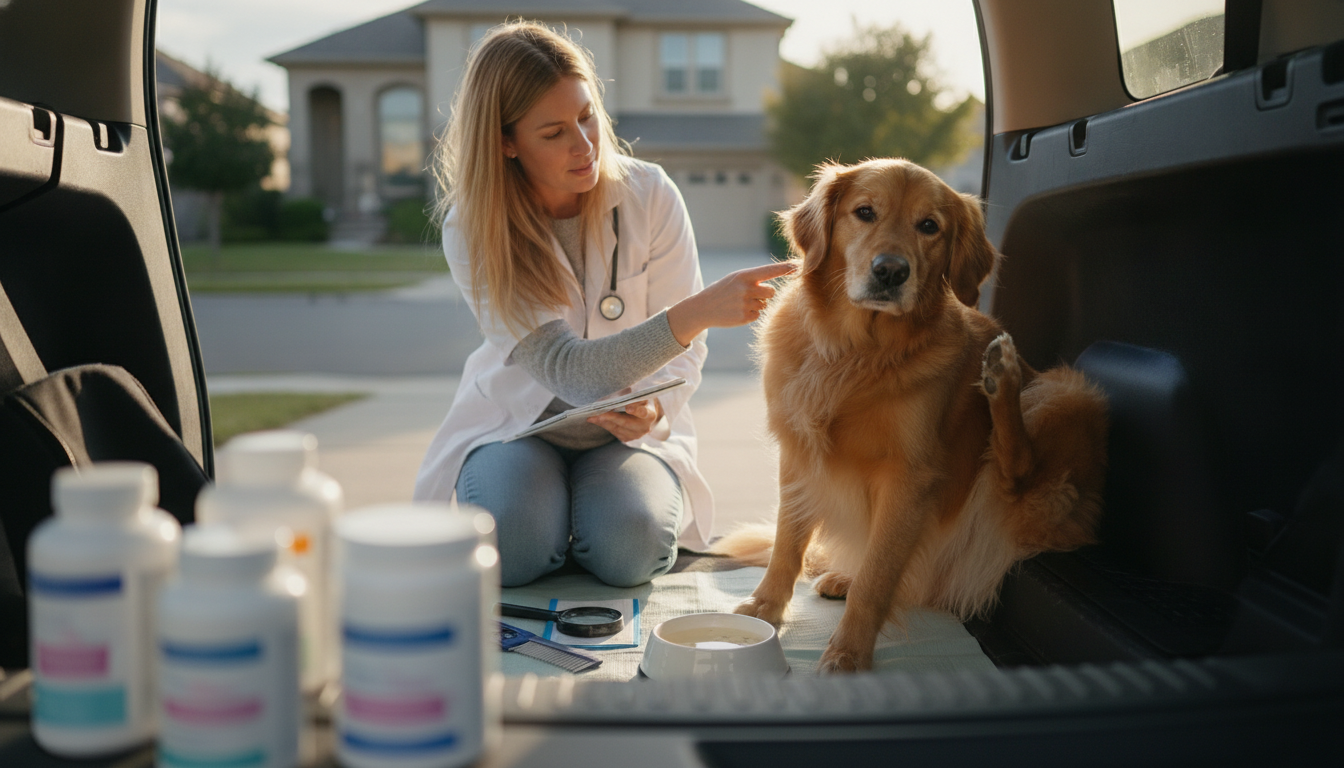
What can I give a dog that won’t stop itching?
If your dog can’t stop itching, the safest “give” is targeted relief that won’t interfere with an underlying condition. Start with simple, low-risk options, then escalate only if needed—especially if you notice red skin, scabs, hair loss, ear odor, swelling, vomiting/diarrhea, or your dog seems unusually uncomfortable.
Answer
1) Give an antihistamine only if your vet says it’s appropriate. Some dogs with mild seasonal allergies do well with vet-approved antihistamines, but dosing depends on your dog’s weight, health conditions, and other medications. Avoid multi-symptom cold/flu products and anything containing decongestants or added pain relievers unless your veterinarian specifically directs it.
2) Give an omega-3 supplement (fish oil) for longer-term itch support. Omega-3s can help reduce skin inflammation over time, but they’re not an instant fix. Choose a pet-specific product and introduce it gradually to reduce stomach upset.
3) Give a soothing bath rather than another oral product. A lukewarm bath with a gentle, dog-safe oatmeal or hypoallergenic shampoo can rinse off allergens and calm irritated skin. Thoroughly rinse and dry, especially in skin folds and between toes.
4) Give flea control immediately if fleas are possible. Even one bite can trigger intense itching in sensitive dogs. Use a vet-recommended flea preventive and treat the environment as needed.
5) When home relief isn’t enough, give your vet a call. Persistent itching is often caused by allergies, parasites, infections (yeast/bacteria), or skin irritation that needs prescription treatment. For a deeper look at common causes and relief options, visit this guide on why dogs get itchy and when to see a vet.
FAQ
Why is my dog licking and chewing their paws?
Paw licking is commonly linked to allergies, irritation from grass or chemicals, yeast/bacterial infections, or foreign material between the toes. If you see redness, a bad smell, swelling, or limping, a vet exam is the fastest way to identify the cause.









Leave a comment