Best Ergonomic Mesh Office Chair: Key Features to Buy
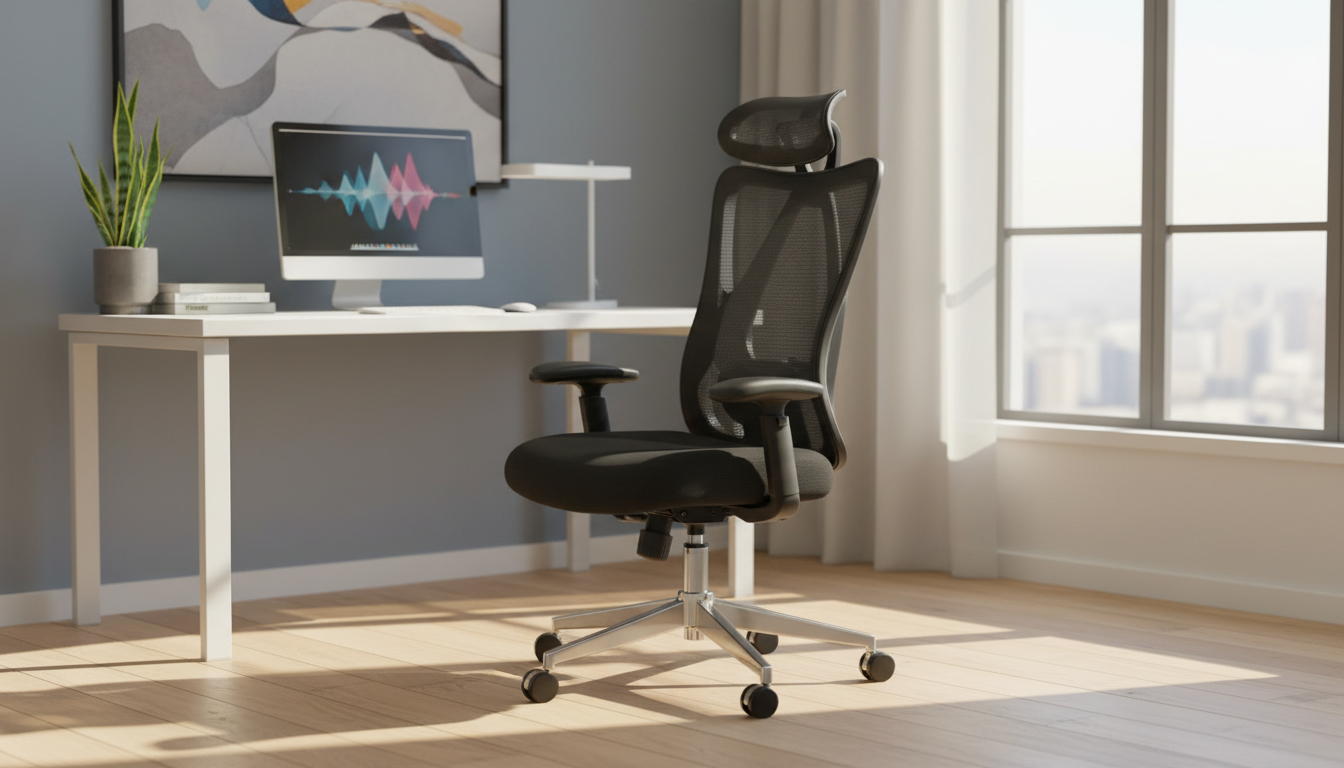
What is the best ergonomic mesh office chair?
The best ergonomic mesh office chair is the one that matches your body and daily work habits while staying supportive for hours at a time. In most home-office and professional setups, the standout choice is a chair with a breathable mesh back, adjustable lumbar support, an adjustable headrest (if you recline or take calls often), and armrests that can move up/down and in/out so your shoulders can relax without shrugging.
Mesh matters because it reduces heat buildup and encourages a more upright posture than overly cushy cushions that can let the lower back collapse. But “best” comes down to adjustability: a chair that can be tuned to your spine and desk height will usually outperform a fancier model that’s mostly fixed.
What to look for in a top ergonomic mesh chair
Lumbar support you can feel: The lower-back support should land in the curve of your lumbar spine and ideally adjust in height and depth. This is the feature most likely to reduce end-of-day back fatigue.
Seat comfort and fit: A supportive seat cushion (often foam) paired with a mesh back is a common sweet spot. Look for seat height adjustment and a seat depth range that leaves a small gap behind your knees.
Armrests that actually help: 2D or 3D armrests are far better than fixed arms. Properly set armrests keep wrists neutral and reduce neck tension.
Headrest (optional but valuable): A headrest is helpful for reclined work, reading, or long calls—especially if it adjusts to meet your neck without pushing your head forward.
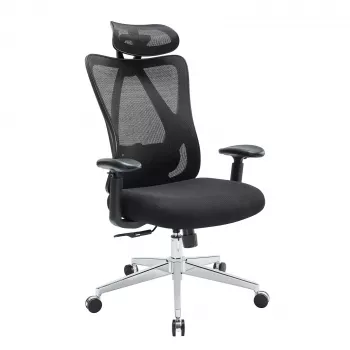
For a detailed breakdown of these features and how to choose the right configuration, see this guide: mesh ergonomic office chair with lumbar support, headrest, and 2D arms.
FAQ
Is a mesh chair better for long hours?
Mesh is often better for long sessions because it improves airflow and helps prevent overheating. The key is pairing mesh with strong lumbar support and a seat that fits your thigh length.








Leave a comment