Why Pressure Cookers Fell Out of Favor (and Returned)
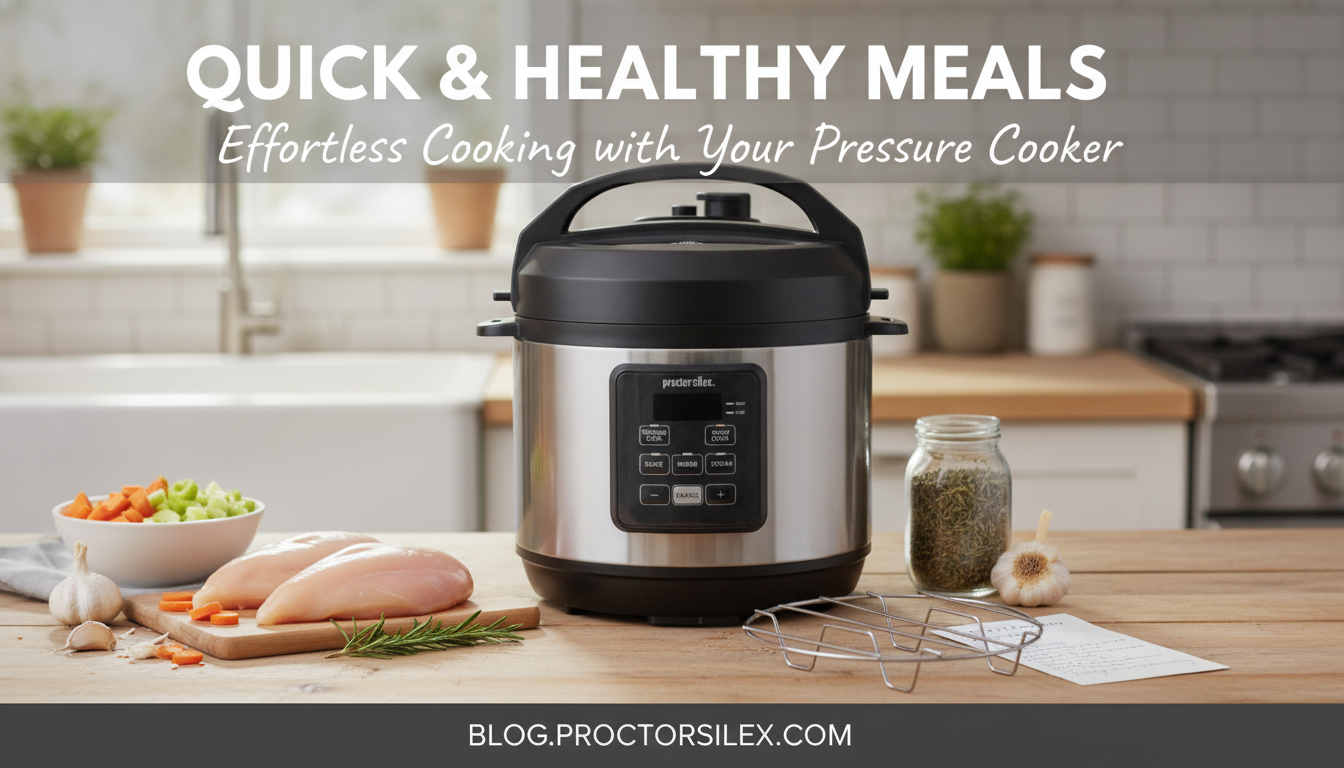
Why did people stop using pressure cookers?
People didn’t stop using pressure cookers entirely, but many households pulled the old stovetop models out of rotation for a few practical reasons. The biggest shift came from safety concerns and convenience.
Early stovetop pressure cookers could be intimidating. Worn gaskets, clogged vents, or user error sometimes led to steam leaks, sputtering, or loud releases. Even when accidents were rare, the reputation stuck, and many cooks preferred tools that felt more predictable.
Another reason was the learning curve. Traditional pressure cooking requires attention to heat control, timing, and proper depressurizing. As weeknight cooking got faster and more distraction-heavy, “hands-off” appliances (slow cookers, microwaves, air fryers) often won out.
Trends also mattered. For years, pressure cookers were associated with older-style home cooking, while newer appliances promised modern convenience. That changed again when electric multi-cookers made pressure cooking feel simpler: sealed lids, programmed modes, automatic keep-warm, and built-in safety features reduced guesswork.
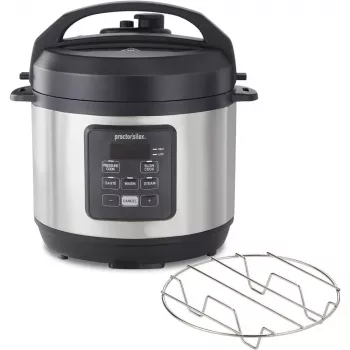
If pressure cooking sounds useful but old-school models feel like a hassle, an electric option can bridge the gap. A compact multi-cooker can handle staples like rice, beans, soups, and quick weeknight proteins without constant monitoring. For a practical example of features and everyday uses, see this guide: 3-quart electric pressure cooker 4-in-1 guide.
For Why Pressure Cookers Fell Out of Favor (and Returned), the best answer depends on fit, material, care instructions, and how the product will be used day to day.
Checking those details first helps avoid a poor match and keeps the choice practical after delivery.
For Why Pressure Cookers Fell Out of Favor (and Returned), the best answer depends on fit, material, care instructions, and how the product will be used day to day.
Checking those details first helps avoid a poor match and keeps the choice practical after delivery.
FAQ
Are electric pressure cookers safer than stovetop models?
In many kitchens, yes. Electric models typically include multiple safety systems (locking lids, sensors, and controlled heating) that reduce the risk of overheating or improper sealing compared with older, worn stovetop units.








Leave a comment